

The Evolving Landscape of SaaS Visibility
The digital marketplace is currently saturated with thousands of software solutions competing for the same limited attention spans.
To break through the noise, founders must leverage every available channel to build authority and reach their target audience effectively.
Strategic SaaS directory submission remains a cornerstone of high-growth marketing because it provides immediate exposure to high-intent buyers.
What is SaaS Directory Submission?
Definition and Purpose
SaaS directory submission is the process of listing your software product on curated platforms and marketplaces designed for discovery.
The primary purpose is to create a digital footprint that signals credibility to both potential users and search engine algorithms.
These listings act as a bridge, connecting your product with users who are actively searching for tools to solve specific business problems.
Historical Context vs. Modern Relevance
In the early days of the web, directory submissions were often viewed as a low-quality tactic used solely for building bulk backlinks.
Modern directory submission has evolved into a sophisticated brand-building strategy focused on high-authority platforms like G2, Capterra, and Product Hunt.
Today, these platforms serve as trusted intermediaries where user reviews and verified data carry more weight than traditional advertising.
Why SaaS Companies Can’t Ignore Directories
Beyond Traditional SEO
While the SEO benefits of high-quality backlinks are significant, the value of directories extends far into the realm of social proof.
Prospects often visit these sites to compare features, pricing, and real-world feedback before making a final purchasing decision.
A strong presence on major directories establishes a competitive baseline that helps your product appear in “Top 10” lists and category comparisons.
Niche vs. General Directories
General directories offer massive reach and high domain authority, which is essential for broad brand awareness and general search rankings.
Niche directories, however, provide access to highly specialized audiences that are further down the sales funnel and more likely to convert.
Balancing both types of submissions ensures that your SaaS product captures high-volume traffic while maintaining a presence in industry-specific conversations.
The Strategic Benefits of SaaS Directory Submission

Executing a calculated SaaS directory submission strategy is a foundational move for any software company aiming to dominate its niche. Rather than focusing on a high volume of low-quality links, successful founders prioritize authoritative platforms that offer genuine marketing value.
This approach ensures your product is positioned where your potential customers are already looking for solutions. By securing placements on reputable lists, you establish a digital footprint that serves both search engines and human users.
Enhanced Brand Visibility and Discovery
Visibility in the crowded SaaS landscape requires more than just a functional website; it requires presence in the ecosystems where buyers congregate. Directories act as central hubs that organize the market, making it easier for new players to be found alongside established industry giants.
Reaching Niche Audiences
Many directories categorize software by specific industries, use cases, or technical requirements. This allows you to place your product directly in front of niche audiences who have a specific problem your software is designed to solve.
Improved Search Engine Presence
Major directories often rank on the first page of Google for “best of” or “top-rated” keywords. By being listed on these high-ranking pages, your brand gains indirect visibility in search results that would otherwise be difficult to rank for independently.
Driving Qualified Traffic and Leads
Traffic from a well-placed directory listing is fundamentally different from general social media or display ad traffic. Users navigating these platforms are typically deep in the consideration phase of the buyer’s journey, looking for specific tools to integrate into their workflow.
High-Intent Users
Visitors on directory sites are often actively comparing features, pricing, and reviews. This high-intent behavior means the traffic clicking through to your site is pre-qualified and more likely to engage with your demo or trial.
Conversion Potential
Because directory users are looking for a solution to a problem, the conversion rate from these referral sources is often significantly higher than other channels. They arrive at your landing page with a clear understanding of what your product does.
Building High-Quality Backlinks and Domain Authority
From an SEO perspective, the technical value of a directory listing cannot be overlooked. For new and growing SaaS companies, building a foundation of reputable links is essential for improving organic search rankings over time.
SEO Value of Directory Links
Links from high-authority domains like G2, Capterra, or Product Hunt pass significant domain equity to your site. These authoritative signals tell search engines that your website is a trusted player within the software industry.
Diversifying Backlink Profile
A healthy backlink profile requires a mix of different source types. Directory submissions provide a natural way to diversify your referring domains, ensuring your link profile looks organic and robust to search engine algorithms.
Social Proof and Credibility
In the B2B world, trust is the ultimate currency. Prospects are rarely willing to be the first to try a new tool without some form of external validation. Directories provide the infrastructure for this validation through public feedback.
User Reviews and Ratings
Aggregating positive reviews on third-party platforms builds immediate social proof. When a prospect sees a high rating and detailed testimonials, it reduces the perceived risk of purchasing or subscribing to your software.
Trust Signals for Prospects
Being listed on a reputable directory serves as a badge of legitimacy. It signals to potential enterprise clients and marketing managers that your product is an established solution with a verified presence in the market.
Identifying the Right SaaS Directories: Quality Over Quantity

Strategic SaaS directory submission is a foundational pillar for any growth-oriented software company. While it is tempting to list your product everywhere, a scattergun approach often yields diminishing returns and low-quality traffic.
Focusing on high-authority platforms ensures that your efforts translate into meaningful SEO equity and qualified lead generation. Prioritizing quality over quantity protects your brand reputation and maximizes the impact of every listing.
Key Criteria for Directory Selection
Choosing the right platforms requires a rigorous evaluation process to ensure alignment with your business goals. Not all directories are created equal, and some may even harm your search presence if they are perceived as spammy by search engines.
Relevance to Your Niche
Your software must sit naturally alongside similar tools to attract the right audience. Listing a fintech solution in a general creative arts directory provides zero value to users or search engines.
Relevance ensures that the traffic you receive is primed for conversion. It also helps search engines understand your product category, strengthening your topical authority within your specific market.
Domain Authority and Trustworthiness
Prioritize directories with high Domain Authority (DA) and a history of trust. These sites pass significant link equity to your domain, which is vital for improving your organic rankings.
Avoid directories that look outdated or contain excessive “thin” content. A backlink from a reputable, well-moderated site is worth more than a hundred links from low-quality, automated link farms.
User Engagement and Traffic
Analyze whether the directory actually has an active user base. Look for recent user reviews, updated software profiles, and social media activity that suggests the site is still relevant.
High-traffic directories act as secondary search engines. If potential customers are using the platform to compare solutions, your presence there is essential for capturing bottom-of-the-funnel intent.
Submission Requirements and Costs
Evaluate the barrier to entry for each platform. Some directories offer free basic listings, while others operate on a “pay-to-play” model or require a reciprocal link.
Paid placements can offer immediate visibility, but ensure the ROI justifies the cost. Always check if the directory requires a manual review process, as this usually indicates a higher level of quality control.
Top Tier General SaaS Directories
For broad visibility and maximum SEO impact, every SaaS founder should prioritize the industry giants. These platforms dominate search results for “best of” software queries and carry immense authority.
G2, Capterra, Software Advice
G2 and Capterra are the gold standards of software reviews. They provide deep insights through verified user feedback, making them essential for building social proof and buyer trust.
Software Advice acts as a consultative platform, helping users find the right tools through expert recommendations. Being listed here places your product in front of high-intent buyers ready to make a decision.
GetApp, TrustRadius
GetApp focuses heavily on integrations and software comparisons, which is ideal for technical buyers. It helps users understand how your SaaS fits into their existing tech stack.
TrustRadius is known for its in-depth, high-quality reviews. It is a preferred destination for enterprise-level buyers who require detailed feedback before committing to a long-term contract.
Niche-Specific and Industry Directories
While general directories provide scale, niche-specific platforms offer precision. These directories cater to specialized audiences who have very specific pain points and requirements.
Examples for specific industries (e.g., Marketing SaaS, HR SaaS)
Marketing-specific directories like GrowthHub or specialized HR platforms like SHRM’s vendor directory target decision-makers in those departments. These users are often looking for specialized features that general lists might overlook.
Industry-specific listings often have lower competition than G2 or Capterra. This allows your product to stand out as a leader in a smaller, more focused ecosystem.
How to find them (Google searches, competitor analysis)
Use advanced Google search operators like “industry + software directory” or “best [niche] tools” to find untapped opportunities. These queries reveal where your target audience is already looking for solutions.
Perform a competitor backlink analysis using SEO tools to see where your rivals are listed. If a competitor is featured in a specific directory, it is a strong signal that you should be there too.
A Step-by-Step Guide to Effective SaaS Directory Submission
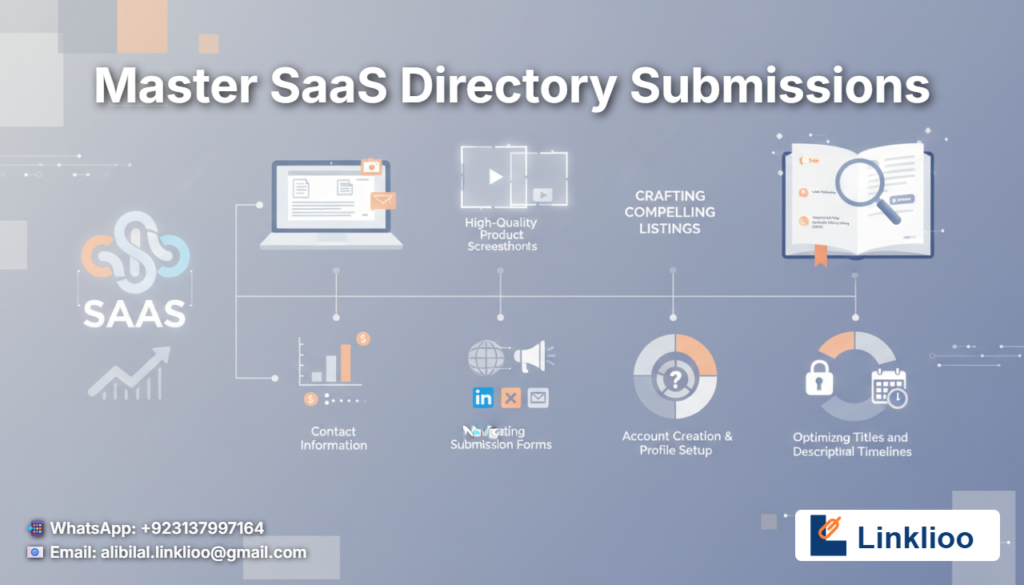
For modern growth hackers and founders, visibility is the primary engine of user acquisition. Executing a strategic SaaS directory submission process is one of the most effective ways to build high-quality backlinks, drive referral traffic, and establish authority in your niche.
This guide provides a systematic approach to ensuring your product is listed correctly on platforms like G2, Capterra, and Product Hunt. By following these steps, you can streamline your workflow and maximize the SEO impact of every listing.
Preparation: Gathering Your Assets
Before you begin submitting to various platforms, you must centralize your brand assets. This ensures consistency across the web, which is vital for both brand recognition and search engine trust.
Company Profile (Description, USP)
Prepare three versions of your company description: a 50-word elevator pitch, a 150-word summary, and a 500-word comprehensive overview. Each should clearly define the problem your software solves and who your target audience is.
High-Quality Product Screenshots/Videos
Visuals are the first thing potential users notice. Gather high-resolution screenshots of your dashboard and key features, ensuring they are cropped to standard aspect ratios like 16:9.
Pricing Models and Features List
Directories often filter products by pricing structure. Clearly document whether you offer a free trial, a freemium model, or strictly paid tiers to avoid misleading potential leads.
Contact Information and Social Links
Maintain a document with your official support email, physical address, and links to LinkedIn, X, and Facebook. Consistent NAP (Name, Address, Phone) data is a critical signal for local and organic SEO.
Crafting Compelling Listings
A directory listing is more than just a placeholder; it is a sales page. You must optimize every field to convert passive browsers into active trial users.
Optimizing Titles and Descriptions for Keywords
While your product name is the primary title, include a brief keyword-rich tagline if the platform allows. Use natural language to incorporate terms that your target audience frequently searches for.
Highlighting Unique Selling Propositions (USPs)
Explicitly state what makes your SaaS different from the competition. Whether it is a unique integration, a lower price point, or superior UI, these differentiators must be front and center.
Encouraging User Reviews
Many directories rank software based on the volume and quality of user reviews. Develop a post-submission strategy to invite your power users to leave honest feedback on these new profiles.
The Submission Process
The actual submission requires attention to detail. Rushing through forms can lead to rejected applications or poorly indexed pages that fail to drive traffic.
Account Creation and Profile Setup
Use a dedicated company email address rather than a personal one to manage these accounts. Complete every available profile field, as “100% complete” profiles often receive higher internal search visibility.
Navigating Submission Forms
Each directory has its own taxonomy for categories and tags. Take the time to research which category your competitors are listed in to ensure you are appearing in the right search results.
Review and Approval Timelines
Submission does not mean immediate publication. Some platforms offer instant listing, while others require a manual editorial review that can take anywhere from three days to several weeks.
Maximizing Your ROI: Post-Submission Strategies
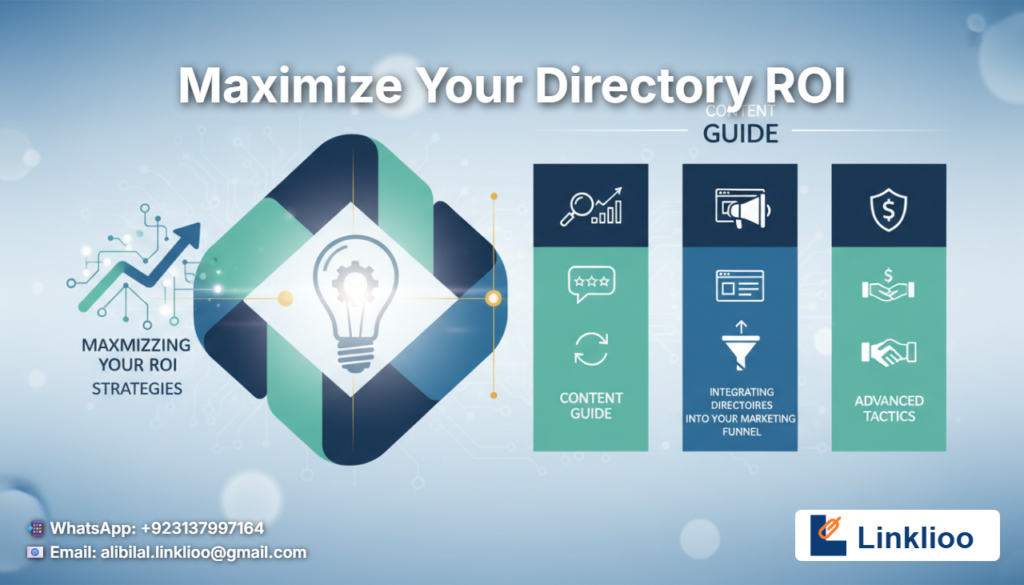
Completing your initial SaaS directory submission is only the first step toward achieving long-term growth and visibility. To see a tangible return on investment, you must treat these listings as active marketing assets rather than static entries.
Strategic management after the submission phase ensures that your product remains competitive in a crowded marketplace. By optimizing your presence, you turn simple backlinks into consistent engines for lead generation and brand authority.
Monitoring and Managing Your Listings
Consistent oversight is required to ensure your listings continue to perform at their peak. Neglecting your profiles can lead to outdated information that misleads potential customers and harms your conversion rates.
Tracking Performance (Traffic, Leads)
Utilize UTM parameters for every link included in your directory profiles to segment traffic within your analytics dashboard. This allows you to identify which platforms deliver the highest quality users and the best conversion rates.
Monitor your referral traffic in GA4 to distinguish between general interest and high-intent visitors. Tracking these metrics helps you allocate future resources toward the directories that offer the most significant business impact.
Responding to Reviews and Feedback
User reviews are a powerful form of social proof that directly influences the purchasing decisions of SaaS buyers. Respond to every review professionally, thanking users for positive feedback and addressing concerns raised in negative comments.
Engaging with reviewers demonstrates that your company values customer satisfaction and is committed to continuous improvement. This level of transparency builds trust with prospects who are researching your software against competitors.
Keeping Information Updated
SaaS products evolve rapidly, and your directory listings must reflect your current feature set and pricing models. Regularly audit your profiles to ensure that screenshots, demo videos, and product descriptions remain accurate.
Inaccurate information can lead to friction in the sales process and a poor user experience. Keeping your data fresh signals to both users and directory algorithms that your product is active and well-maintained.
Integrating Directories into Your Marketing Funnel
Directory listings should not exist in a vacuum; they should be integrated into your broader marketing ecosystem. Leveraging these third-party validations can significantly enhance your existing sales and marketing workflows.
Promoting Listings on Your Website/Social Media
Showcase badges or “Top Rated” awards from reputable directories on your landing pages to provide immediate credibility. These visual cues act as trust signals that can reduce bounce rates and increase sign-up conversions.
Share your directory profiles on social media channels like LinkedIn and X to encourage your current user base to leave reviews. This cross-promotion drives more traffic to your listings, which can improve your ranking within the directory itself.
Using Directory Data for Sales Insights
Many high-tier directories provide intent data that reveals which companies are researching your category or viewing your profile. Your sales team can use this information to prioritize outreach to prospects who are already in the consideration phase.
Analyzing the common questions or pain points mentioned in competitor reviews on these platforms can also inform your sales scripts. This data allows you to position your SaaS as a superior solution to specific market frustrations.
Advanced Tactics: Sponsored Listings and Partnerships
Once you have identified high-performing directories through organic efforts, you may want to explore paid opportunities. These advanced tactics can accelerate your growth by placing your product directly in front of motivated buyers.
When to Consider Paid Options
Consider investing in sponsored listings when you have a high-converting landing page and a clear understanding of your customer acquisition cost. Paid placement is most effective in categories where competition is high and organic visibility is difficult to achieve.
Test paid options during product launches or seasonal campaigns to maximize your reach. Ensure you have a robust tracking system in place to measure the direct ROI of your ad spend on these platforms.
Collaborative Opportunities
Build relationships with the editorial teams of major directories to explore guest posting or co-marketing webinars. Being featured in their newsletters or “Best Of” blog posts can provide a massive surge in authoritative traffic.
Collaborative opportunities often lead to deeper integrations or partnership programs that go beyond a simple listing. These high-level associations solidify your brand’s position as a leader within your specific SaaS niche.
Common Pitfalls and Best Practices to Avoid
Executing a strategic SaaS directory submission plan is essential for building domain authority and generating high-quality leads. However, many growth hackers treat this process as a one-time task rather than a pillar of their long-term SEO strategy.
Failing to adhere to platform guidelines or neglecting the quality of your listings can diminish your brand’s reputation. To ensure your product gains maximum visibility, you must navigate the landscape with precision and avoid common traps.
Mistakes to Avoid
The path to a successful directory presence is often cluttered with shortcuts that backfire. Identifying these errors early prevents your domain from being flagged by search engines or ignored by potential customers.
Spammy Submissions
Submitting your tool to hundreds of low-quality, irrelevant websites will do more harm than good. Google prioritizes the quality and relevance of backlinks over sheer volume.
Avoid using automated submission bots that blast your URL to every corner of the internet. This behavior often leads to your site being blacklisted and destroys your organic search credibility.
Inaccurate or Outdated Information
There is nothing more frustrating for a prospective user than clicking a link and finding a dead page or an expired offer. Inconsistent pricing or feature lists across different platforms create confusion.
If your directory listing mentions a feature that has been deprecated, you risk losing trust before the user even signs up. Ensure your product descriptions remain current and factual.
Ignoring Reviews
Directories like G2 and Capterra rely heavily on social proof to rank products within their categories. Ignoring user feedback—especially negative reviews—signals a lack of customer support.
Failure to respond to queries or complaints on these platforms can deter high-intent buyers. Active engagement shows that your company is responsive and values its user base.
Best Practices for Long-Term Success
Sustainability in directory marketing requires a proactive mindset. By focusing on quality and consistency, you turn these listings into a reliable source of recurring traffic.
Consistent Branding
Your brand identity should be unmistakable across every platform where your product appears. Use the same high-resolution logos, color schemes, and core value propositions.
Consistency helps with brand recall and ensures that users recognize your software regardless of the site they are browsing. This professional appearance builds immediate authority.
Regular Audits
Set a quarterly schedule to review every directory where your SaaS is listed. Check for broken links, update screenshots to reflect your latest UI, and refresh your promotional copy.
An audit also allows you to track which directories are driving the most conversions. You can then double down on the platforms that provide the highest return on investment.
Focusing on User Experience
The goal of a directory listing is to drive a conversion, not just a click. Ensure the landing page you link to is optimized for the specific audience browsing that directory.
If a user finds you on a “Developer Tools” directory, send them to a page highlighting your API and documentation. Tailoring the experience increases the likelihood of a successful sign-up.
Conclusion: Elevate Your SaaS with Strategic Directory Submissions
Executing a precise SaaS directory submission strategy is no longer optional for teams aiming for rapid scale. It serves as a foundational pillar for establishing domain authority and driving high-intent referral traffic to your landing pages.
For SaaS founders and growth hackers, these platforms represent more than just links. They are high-authority ecosystems where your target audience actively searches for solutions to their most pressing business problems.
By treating each submission as a strategic marketing asset, you position your software in front of decision-makers. This proactive approach ensures your product remains visible in an increasingly crowded digital marketplace.
Recap of Key Benefits
The primary advantage of consistent directory listings is the significant boost to your search engine rankings. High-quality backlinks from reputable software hubs signal to Google that your platform is a trusted industry player.
Beyond SEO, these directories provide essential social proof through user reviews and ratings. Positive feedback on third-party sites builds immediate credibility with prospects who are still in the evaluation phase of the funnel.
Furthermore, directory listings often rank for “best of” long-tail keywords that are difficult to target individually. This allows you to capture organic traffic that you might otherwise miss through standard content marketing.
Future Outlook for SaaS Directories
The landscape of software discovery is shifting toward AI-driven recommendations and hyper-niche categorization. Future directories will likely prioritize data depth and integration capabilities over simple feature lists.
We expect to see tighter integration between directories and cloud marketplaces, creating a seamless path from discovery to deployment. Staying ahead requires maintaining accurate, data-rich profiles across all major platforms.
As search engines evolve, the context and relevance of your listings will carry more weight than volume. Focusing on high-quality, niche-specific directories will yield the highest return on investment for marketing managers.
Call to Action
Now is the time to audit your current digital footprint and identify gaps in your visibility. Start by prioritizing the top-tier directories that align most closely with your specific industry and target user base.
Develop a systematic process for updating your profiles to ensure all feature sets and pricing models are current. Consistency across these platforms reinforces your brand authority and prevents user confusion.
Don’t leave your growth to chance. Begin your submission process today to secure your competitive advantage and drive the sustainable growth your SaaS deserves.






Add comment